
Your Trusted Resource for Intellectual Property Law
Explore trademarks, patents, copyrights, industrial designs, landmark case studies, legal news, and study material through reliable and easy to understand legal resources.
Featured Case Studies
Explore landmark judgments and recent Intellectual Property disputes that continue to shape IP law and legal practice.
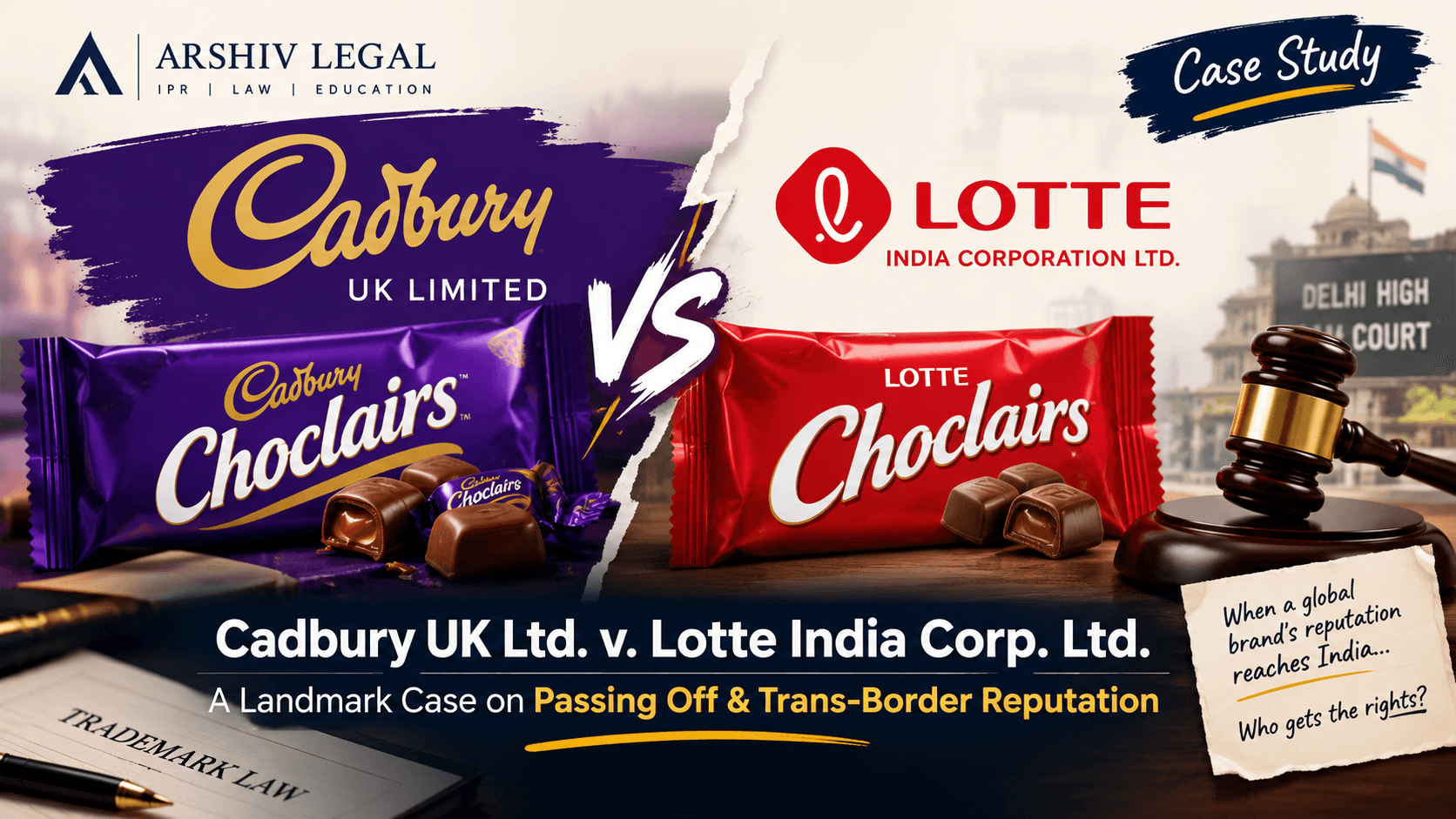
Cadbury UK Limited & Anr. v. Lotte India Corporation Ltd. (2014)
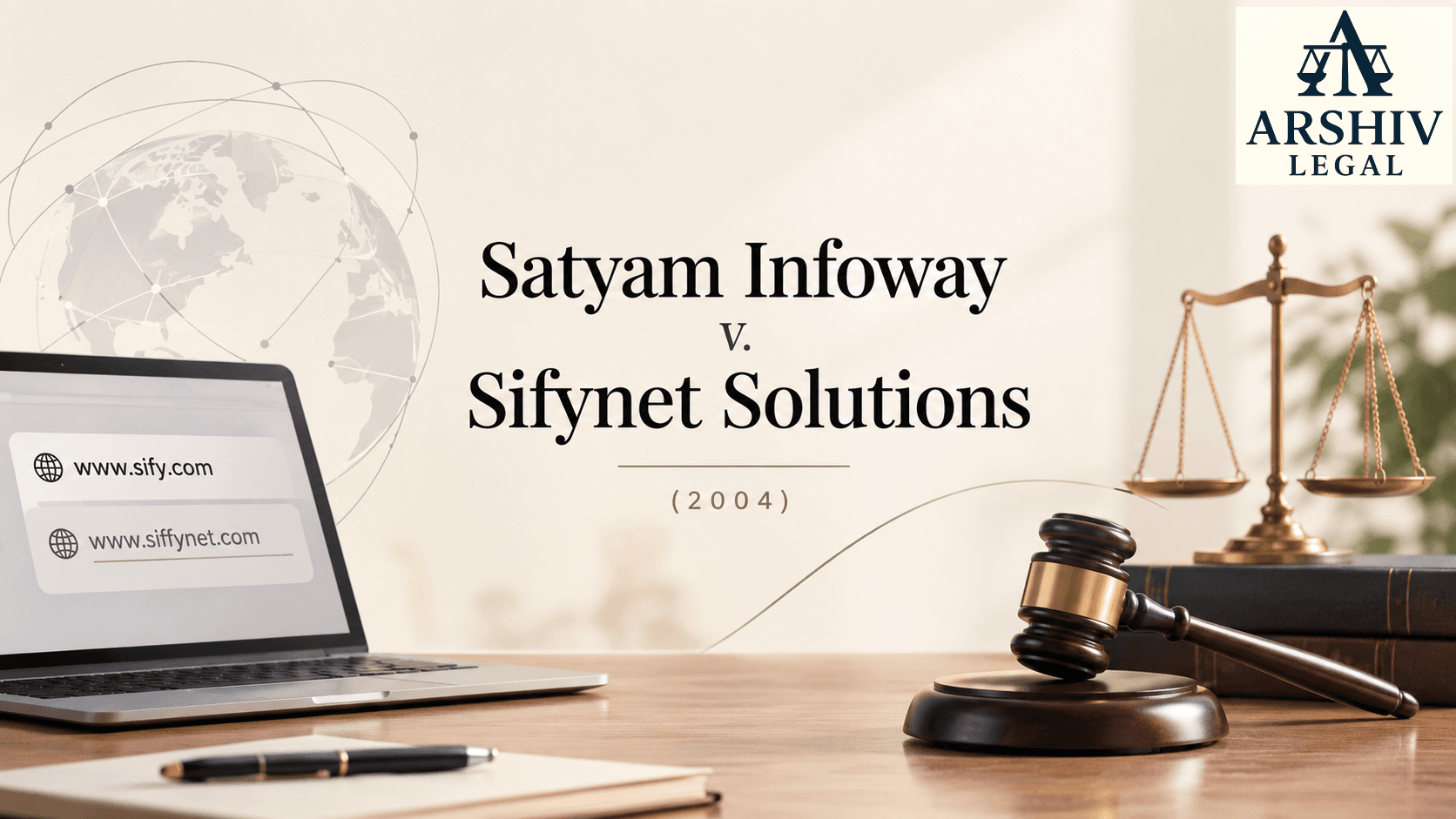
Satyam Infoway Ltd. v. Siffynet Solutions Pvt. Ltd. (2004)
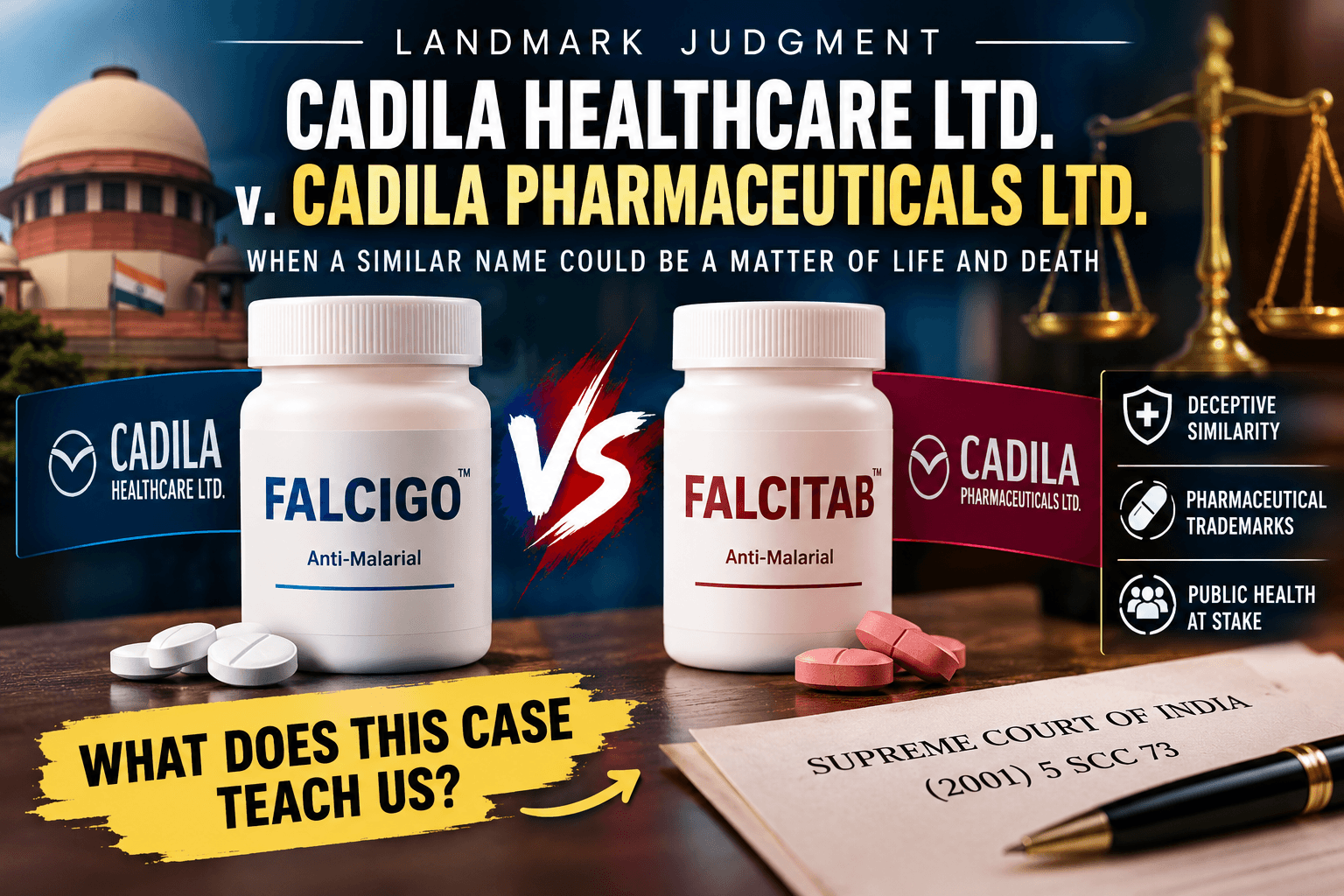
Cadila Healthcare Ltd. v. Cadila Pharmaceuticals Ltd. Citation: (2001) 5 SCC 73 Subject: Trademark Law | Passing Off | Deceptive Similarity | Pharmaceutical Trademarks
Study Material
Learn Intellectual Property Law with curated notes, guides, reference materials, and other educational resources designed for students, researchers, and aspiring legal professionals.
Latest Blog
Expert perspectives and practical advice to help safeguard your creative and technical assets.
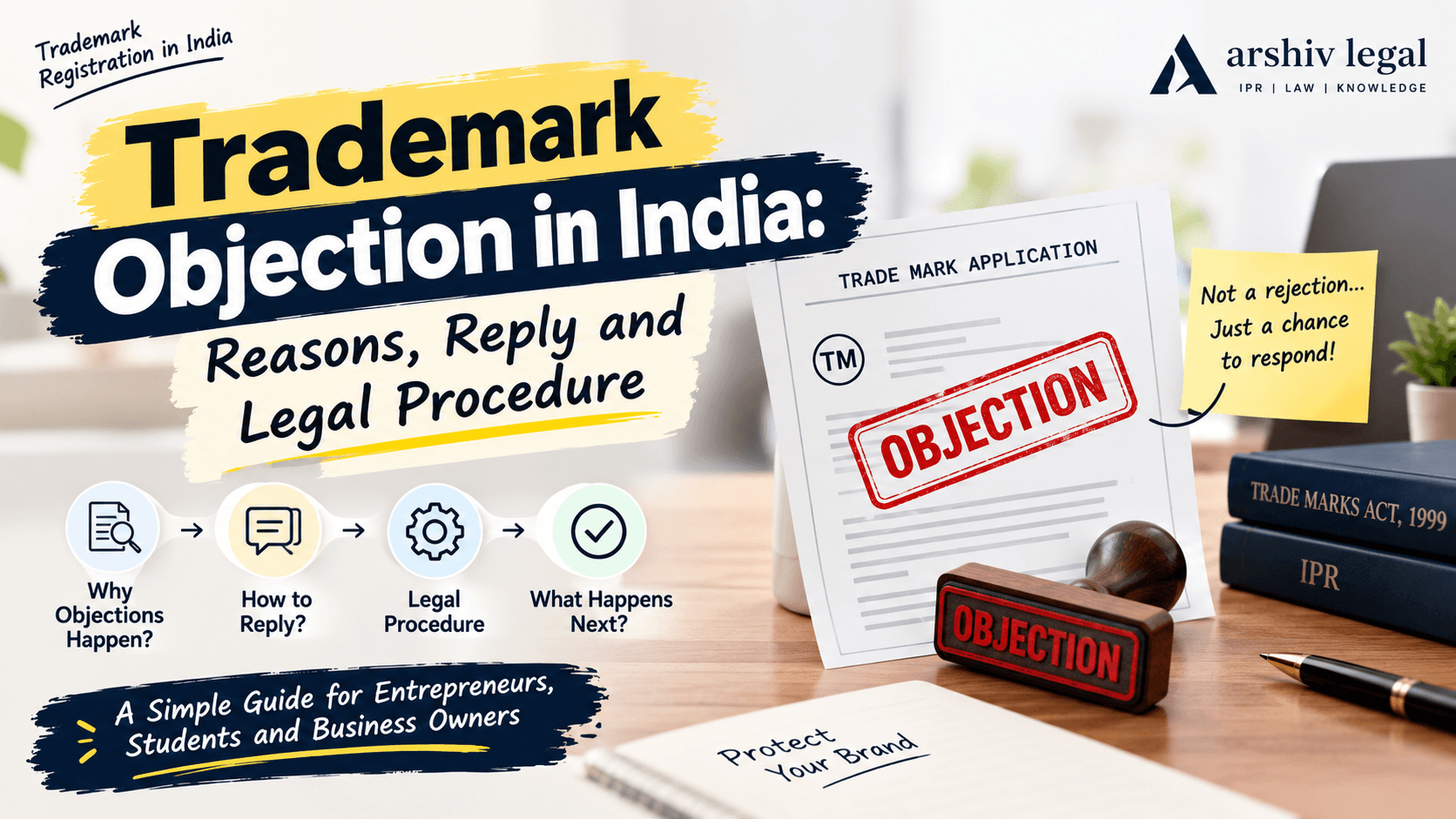
Trademark Objection in India: Reasons, Reply and Legal Procedure
Received a trademark objection in India? Learn why trademark applications get objected to, how to reply to an examination report, what documents may be required, and what happens after you submit your reply. A simple guide for entrepreneurs, students, and business owners.
Intellectual Property • 5 min read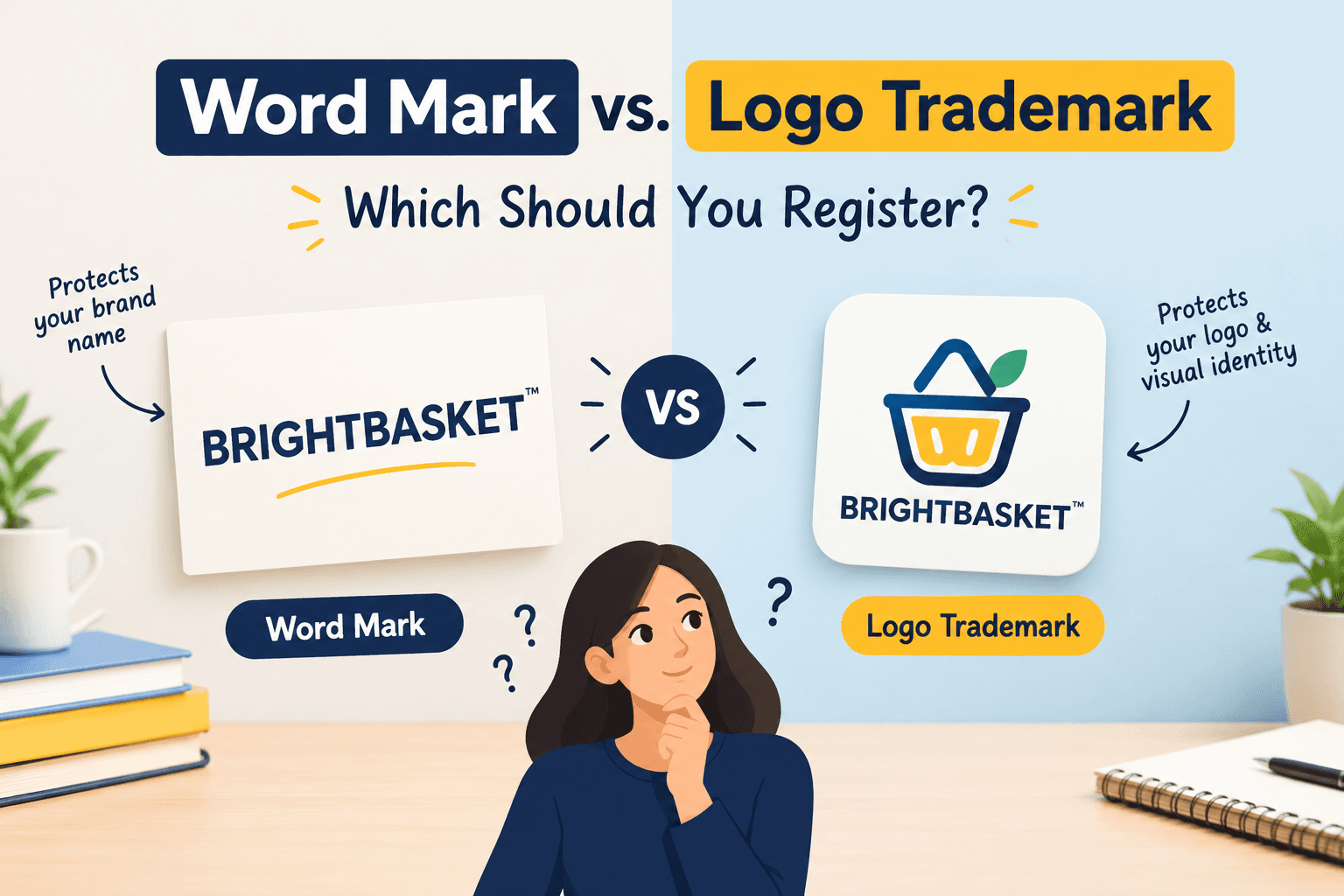
Word Mark vs. Logo Trademark: Which Should You Register?
Confused between registering a brand name or a logo? Learn the difference between word marks and logo trademarks in India, their benefits, and which option may be right for your business.
General • 3 min read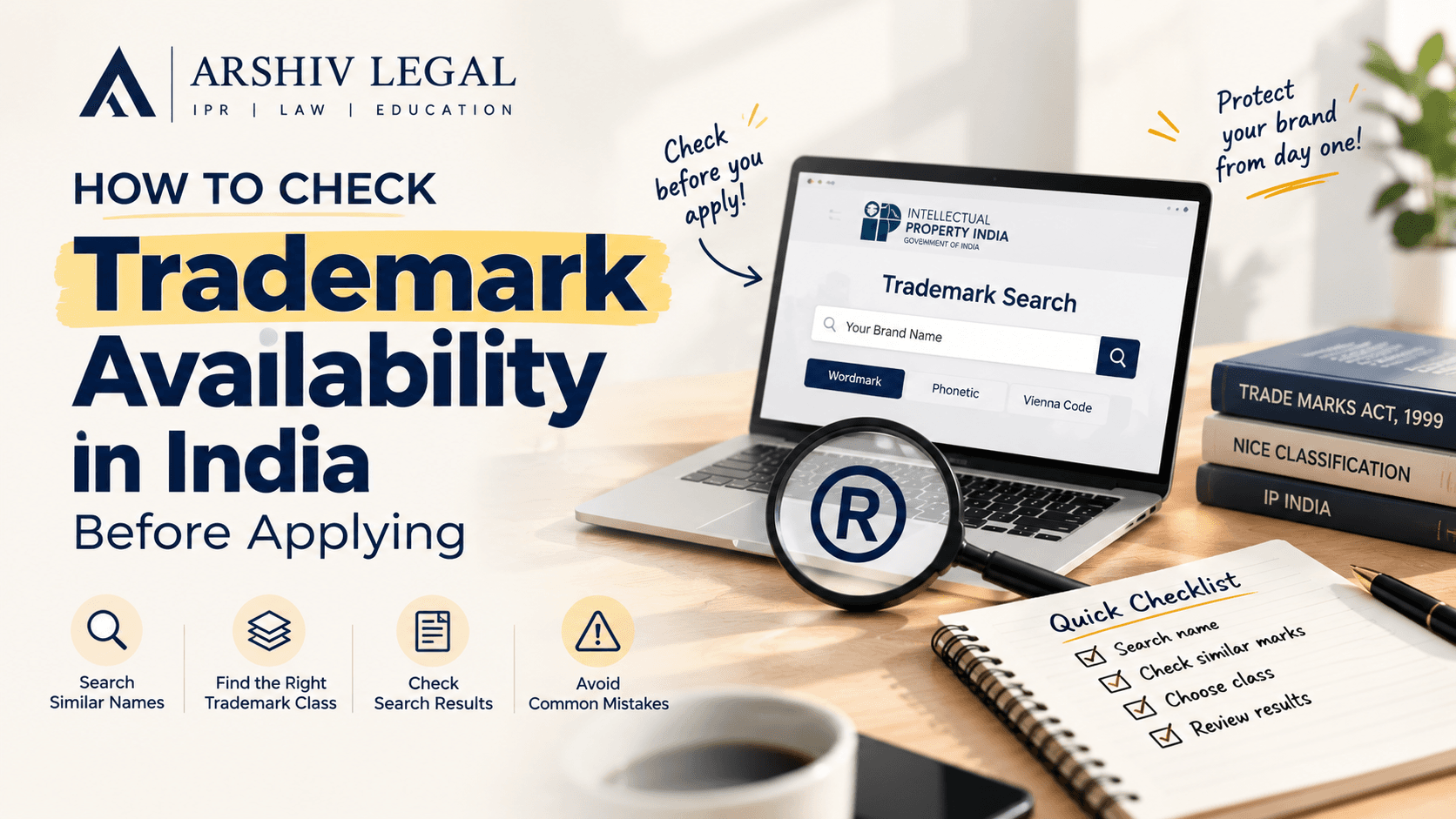
How to Check Trademark Availability in India Before Applying
Want to register your brand name or logo? Learn how to check trademark availability in India using the official IP India database, search similar names, identify the correct trademark class, and avoid common mistakes before applying.
Intellectual Property • 4 min readArticles
Thorough legal research and deep dives into the mechanics of intellectual property protection.
Daily Legal Content
Stay ahead of the curve with daily, easy to digest legal insights and video updates.
The Founder's Vision
"While building my journey in Intellectual Property Law, I realised that reliable and understandable legal knowledge can be difficult to access. Arshiv Legal is my effort to make IP law more accessible to students, researchers, innovators and businesses."

Frequently Asked Questions
Find answers to common questions about Intellectual Property Law, our legal services, and the educational resources available on this platform.
Still have a questions?
Can't find the answer to your question? Send us an email and we'll get back to you as soon as possible!
Intellectual Property (IP) refers to creations of the mind, such as inventions, literary and artistic works, designs, symbols, names, and images used in commerce. It is legally protected by patents, trademarks, and copyright.
Trademarks protect brand names, logos, and slogans. Patents protect new inventions and technical processes. Copyright protects original creative expressions such as writing, software code, music, and artworks.
Any individual, business, startup, NGO, or legal entity claiming to be the proprietor of a trademark used or proposed to be used can apply for registration.
In India, a trademark application generally takes between 6 to 12 months to complete registration if there are no objections or oppositions filed.
Yes, you can reach out through our contact page or schedule an advisory session directly to discuss your specific IP, filing, or dispute requirements.
Most of our curated legal notes, landmark summaries, and educational guides are freely available for students, researchers, and legal enthusiasts.